By Dr. Latchman P Kissoon
The festival of Diwali has been celebrated for ages and grows in attraction by the year. This year the festival is celebrated on the 17th day of October 2009. This is an occasion for the young and the old, men and women, rich and poor – for everyone irrespective of their religious and economic background. The festival is celebrated throughout the world to ward off the darkness and welcome the light into our lives and as William Shakespeare said “see yeah that light yonder so shines a good deed in a naughty world”. This festival is celebrated on a grand scale in almost all the regions of India and is looked upon mainly as the beginning of New Year. As such the blessings of Lakshmi, the celestial consort of Lord Vishnu are invoked with prayers.
Diwali is also celebrated outside India mainly in Australia, Barbados, Britain, Canada, Guyana, Indonesia, Japan, Kenya, Tanzania and Uganda, Malaysia, Mauritius, Myanmar (Burma), Nepal, Singapore, South Africa, Sri Lanka, Suriname, Thailand, Trinidad and Tobago and the United States of America among the Hindus world over.
Barbados
This beautiful little Island is a model for all nations of the world. This is a country of festivals and Diwali is celebrated mostly by the Hindu Community with appreciation from the population of 265,000. Some organizations observe religious and cultural activities and worship at the Hindu Temple as was done on Wednesday evening when members of the business community and their families performed Lakshmi Puja. The oldest member of the Hindu community in Barbados is ninety-four year old Dada Dyal Dass Atamarm Thani was present with the youngest participant being six weeks old. Last night the temple and surroundings was gleaming with diyas with every child receiving a gift.
Britain
The Indians are the second largest ethnic minority in Britain. To get rid of the feeling of missing their homeland, especially during festival times, the Indians there celebrate most of the festivals. The occasion is marked by visit to the local temple to worship the shrine to Lakshmi, which they have made for Diwali. Eating special sweets, burning of incense sticks, lighting the home and surroundings and the blowing of the conch shell follows the prayer session in the Lakshmi temple. The festival here is celebrated according to the Hindu solar calendar hence it falls in the month of October/November, one of the cold, damp and windy months in Britain. But still the enthusiasm of the festival celebration makes the task of leaving small lamps on windowsills or by open doorways possible ignoring the chill. The lamps and diyas play their part in maintaining the atmosphere of Diwali in the home. Diwali is now celebrated in the British House of Commons.
Canada
The festival is widely celebrated throughout Canada mainly in Ontario where there is a large South Asian population. The Vishnu Mandir attracts thousands of followers. This year a cultural show and the crowning of the Miss Diwali Queen will take place at the Skydome.
Indonesia
The name Indonesia came from two Greek words: “Indos” meaning Indian and “Nesos” meaning islands. The majority of population follows Islam. Hindus constituent about 2% of Indonesia’s total population. However, the Indonesian island of Bali is famous for celebrating the festival of Diwali, as a majority of the population here are Indians. It is one of the most revered festivals of the locals here. The celebration and rituals of the festival is mostly similar to that celebrated by their counterparts in India.
Kenya, Tanzania and Uganda
Indians form just about 1% of the total population of these countries. However, the influences of this tiny amount of population have considerable economic influence and are a well-respected minority. They also celebrate the major Indian or Hindu festivals of the Hindu solar calendar. As they have restricted interaction with the locals and do not seek converts they usually celebrate their festivals the same way India does. The significance, customs and belief related to the festival of light, therefore is almost same like that of India. Illumination, worshipping of God and Goddess of wealth and prosperity are some of the common practice. Diwali is also declared as a national holiday in Kenya alone.
Malaysia
Fascinating in its diversity, Malaysia has many mesmerizing charms and attractions. With a population of about 20 million, comprising of a harmonious multi-ethnic mix of Malays, Malaysia promises a colorful potpourri of culture traditions. Most are based on the various religions practices, beliefs and traditions influencing the costumes, festival, ceremonies and rituals. The Hindu community of Malaysia constitutes about 8% of its total population. The community celebrates Diwali as a symbol of triumph of good over evil. The Malaysian people call diwali as Hari Diwali. This festival is celebrated during the 7th month of the Hindu solar calendar. The south Indian traditional of oil bath precedes the festivities. The celebration includes visits to temples and prayers at household altars. Small lamps made from clay and filled with coconut oil and wicks are a common sight to signify the victory of Lord Rama, the hero of the Hindu epic Ramayana, over the demon king Ravana.Diwali is celebrated almost all over the Malaysia except in Sarawak & Federal Territory of Labuan.
Myanmar (Burma)
Sharing the eastern boarder of India, Myanmar has a good number of Hindu populations. Hence most of the Hindu festivals are celebrated there. Diwali is one of them that are celebrated according to the Hindu solar calendar. The day is celebrated by worshipping of God. A good number of lights or traditional lamps are lit to illuminate the home inside and out side. Delicious foods are cooked and new garments are worn. Traditional dancing and music follow to mark the occasion.
Nepal
Nepal is a landlocked country nestled in the foothills of the Himalayas. Nepal, a multi-ethnic and multi-lingual society was the only Hindu Kingdom of the world. Diwali is celebrated there with the usual Hindu festivities and rituals. Diwali in Nepal is known as Tihar. Just like most places in India Diwali is celebrated here to honour the goddess of wealth and god of prosperity Lakshmi and Ganesh respectively. The festival of light falls on the months of October or November on the day of Amavasya the darkest day of the year. The festival here continues for five days. Every day has its special significance. The first day is dedicated to cows as they cook rice and feed the cows believing that Goddess Lakshmi comes on cows. The second day is for Dogs as the Vahana of Bhairava. Preparation of delicious food especially meant for the dog is a typical characteristic of the day. Lights and lamps are lit to illuminate the entire surrounding and some of the specialty items are prepared to mark the third day of the festival. Fireworks, Lamps and crackers are widely used. The fourth day is dedicated to Yama, the Hindu God of Death. He is prayed for long life. The fifth final day is Bhhaya Dooj dedicated for the brothers who are wished long life and prosperity by their sisters.
Singapore
Diwali celebration holds a significant place in the calendar of festivals of Singapore. The festival of light Diwali is popularly known in Singapore as Deepavali. This may be because of the fact that most of the Indian population come from Tamil Nadu and are Tamil-speaking. ‘Deepam’ and ‘voli’ are Tamil words. ‘Deepam’ means ‘lamp’ and ‘voli’ means ‘light’. The celebration process of the festival is also a lot similar to that of southern India. Marking the importance of the festival day, most of the offices and commercial institutions / organizations remain closed on this day.
South Africa
South Africa is located at the southern tip of the continent of Africa. The South African culture is a mix of variety of cultures. It had the largest immigrant Indian community in the world a decade prior to the colonization by the United States of America. The immigrant Indians account of almost one million in the country. But most of them are concentrated in the eastern regions of Natal and Transvaal of the country. About 65% are Hindus, 15% Muslims and 20% of Christians live in this area. Due to the majority of the Hindu population, a number of Hindu festivals are celebrated here. Diwali also holds an important place in the festival calendar of the region. The celebration is more or less same to that of India. Most of the Hindus here are from Gujarat and Tamil Nadu and continue to follow their regional variations of Hinduism.
Sri Lanka
Sri Lanka is on the extreme southeastern point of India. Related to the epic of Ramayana, Diwali holds a special importance for the people here. The festival is marked by illumination, making of toys of enamel and making of figures out of crystal sugar popularly known as Misiri. The sugar crystals take the place of sweets. Burning of crackers in the evening of the festival is a common practice of this festival.
Suriname
Suriname is a country on the main land of South America a formerly colony of Holland. It recently celebrated CARIFESTA and is rich in cultural traditions. Like Guyana, its neighbour, it has a large population of Indians from India and the festival of Diwali is celebrated with same Pomp and Pageantry. Many Surinamese migrated to Holland and established temples there. Hence, the festival of Diwali has moved to that part of Europe.
Thailand
Diwali is celebrated in Thailand under the name of Lam Kriyongh during the months of October-November. The festival has almost similar ways of celebration as that of Diwali. Diyas (lamps) made of banana leaves are made and candles are placed on it along with a coin and incense. These are set afloat on a river, which gives a wonderful view together on the water. The festival is not an extravagant affair. People greet each other and wish them happy returns of the day. Distribution of sweets is a common practice on this day.
Trinidad and Tobago
Trinidad is the most southern of the Caribbean islands, lying only seven miles off the Venezuelan coast, is one of the most exciting, colorful islands of the West Indies. Considered as the land of the Humming Bird, Trinidad and Tobago has a good number of Indian populations. For that reason, Hindu festivals, customs, traditions and observances forms an integral part of the society, which comprises the unique beauty of the twin island state. The Diwali celebration has a unique flavor here in the Caribbean island nation. Here 43 per cent of the 1.3 million populations are ethnic Indians. The Diwali celebrations are usually marked as an occasion to unify the nation that consists of Hindus, Muslims, Christians, Indo-Trinidadians and Afro-Trinidadians. The festival day is regarded as a national holiday. The festival is also marked by scores of functions besides the usual rituals of the festivity. The functions and celebrations also have an official imprint as the Ministers of the Government also participate in the celebrations sometimes. The belief behind the festival is same as of India, which is, prevalence of good over evil. The celebrations continue for over a week and the headquarters of the National Council of Indian Culture at Diwali Nagar becomes the focal point.
United States of America
The United States of America is a melting pot of culture and with over a million Hindus from India, Africa and the Caribbean it probably has the largest celebration outside of India. Families travel from Canada to the United States to give thanks to Lord Vishnu and partake in the same manner as the other countries described above.
There are two forms of light one that is reflected on the diya and the other which we see in the mirror.
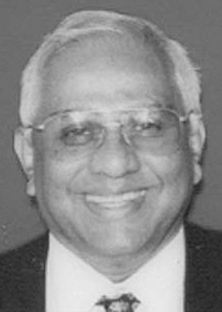
Latchman Kissoon is an Attorney-at-Law and General Secretary of the Sanatan Dharma Maha Sabha (Barbados) Incorporated and former chair person B.I.R.O- Barbados Intereligious Organisation